


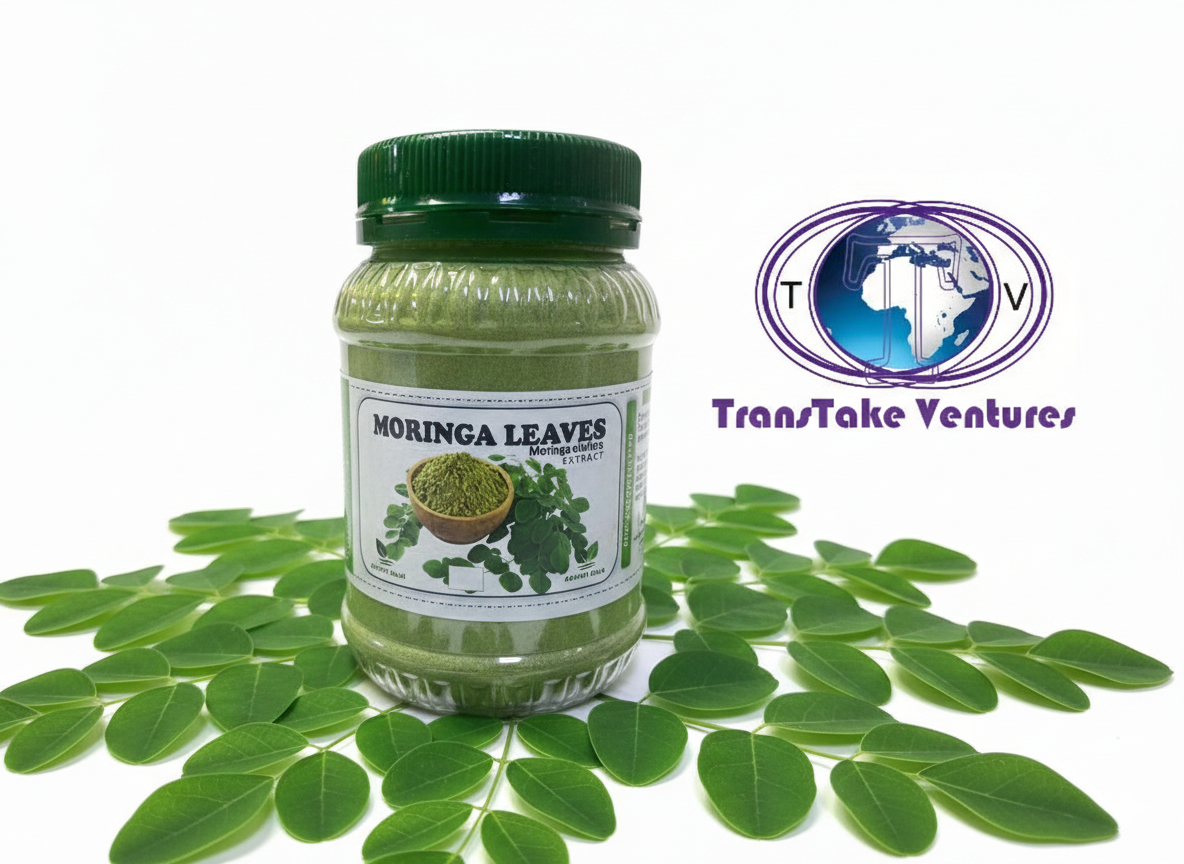

Moringa leaves
Original price was: KSh 700.00.KSh 599.00Current price is: KSh 599.00.
Moringa leaves come from the Moringa oleifera tree, often called the “miracle tree” because of their high nutritional value. The leaves are one of the most nutrient-dense parts of the plant and are widely consumed as food or supplements.
They are rich in essential vitamins and minerals including vitamins A, C, B-complex, calcium, iron, magnesium, and zinc, as well as protein and important amino acids.
Moringa leaves also contain antioxidants and plant compounds such as flavonoids and phenols that may support overall health and help reduce inflammation.
Because of this strong nutrient profile, moringa has been studied as a valuable food source that can help improve nutrition and prevent deficiencies.
Key Benefits
Supports overall body nutrition due to its high vitamin, mineral, and protein content.
Contains antioxidants that may help protect cells and reduce inflammation.
May support heart health by helping manage cholesterol levels.
Has been traditionally used to boost energy and general wellness.
Can help address nutritional deficiencies and malnutrition when included in a balanced diet.
(Note: Some benefits are still being researched and should not replace medical treatment.)
How to Use Moringa Leaves
1. As Fresh Leaves
Wash and cook them like spinach or add to soups, vegetables, or stews.
2. As Powder
Dried leaves are commonly ground into powder and added to smoothies, soups, or juices.
Typical intake recommendations often range around 3–5 grams per day, starting with small amounts.
3. As Tea
Add about one teaspoon of dried leaves to hot water, allow to steep, then drink.
Alternatively, boil fresh leaves briefly and let them steep before consuming.




Reviews
There are no reviews yet.